A USEFUL HANDMADE PROJECT
Make a Fabric Dust Sleeve for a Sketchbook
An open-ended dust sleeve fits a dry sketchbook with a little ease rather than sealing it against moisture.
Start with your materials ↓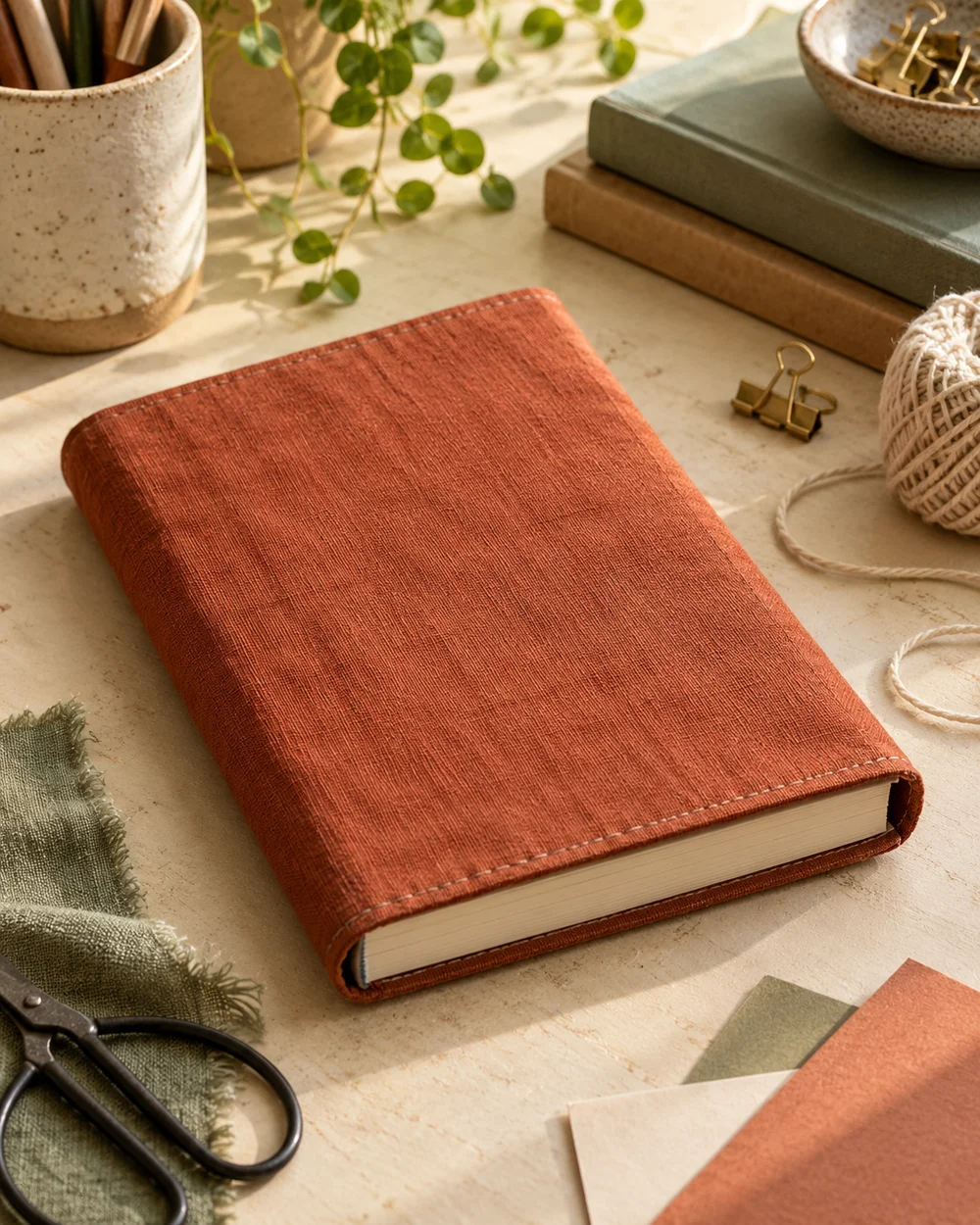
WHAT TO GATHER
Your starting kit.
- Clean, prewashed woven cotton or other fabric suitable for the project
- A hand-sewing needle and compatible thread
- Fabric scissors, ruler, pins or clips, and a removable marking tool
- Any insert, lining, cord, or closure described in the steps
STEP 01
Measure and prepare
Measure the closed sketchbook circumference across its cover and spine, then add 20 mm ease and seam allowances.
STEP 02
Lay out the construction
Cut a rectangle of suitable width and book height plus 40 mm for two double-fold hems.
STEP 03
Join and shape
Hem the two opening edges, fold right sides together along the length, sew the long seam, finish its raw edge, and turn.
STEP 04
Check the result
Store only a dry sketchbook; a fabric sleeve does not protect against moisture or rough impacts. Turn the piece gently and inspect every seam from both sides. Check that the intended item fits without stretching the opening. Close any turning gap with small secure stitches and remove pins before placing the accessory in use.
STEP 05
Finish and keep
Trim loose thread ends and keep any care information with the fabric. Test washing only according to the materials and insert instructions, removing removable inserts first. Store the piece dry and mend an opening seam before using it again.
Before you begin.
Can I use stretchy fabric instead?
The instructions start with woven fabric because it is easier to measure and hand sew consistently. A stretch fabric can change the fit and needs a suitable seam and needle; make a separate test rather than substituting it directly.
What should I check before beginning?
Store only a dry sketchbook; a fabric sleeve does not protect against moisture or rough impacts.
Original editorial project guidance. Images are AI-generated concepts, not photographs of tested finished projects. Practice on inexpensive materials and follow tool and material instructions. Sources & approach.
Save to Pinterest ↗KEEP THE THREAD GOING
Try something next.
 01 / A SMALL PROJECT
Fabric accessories
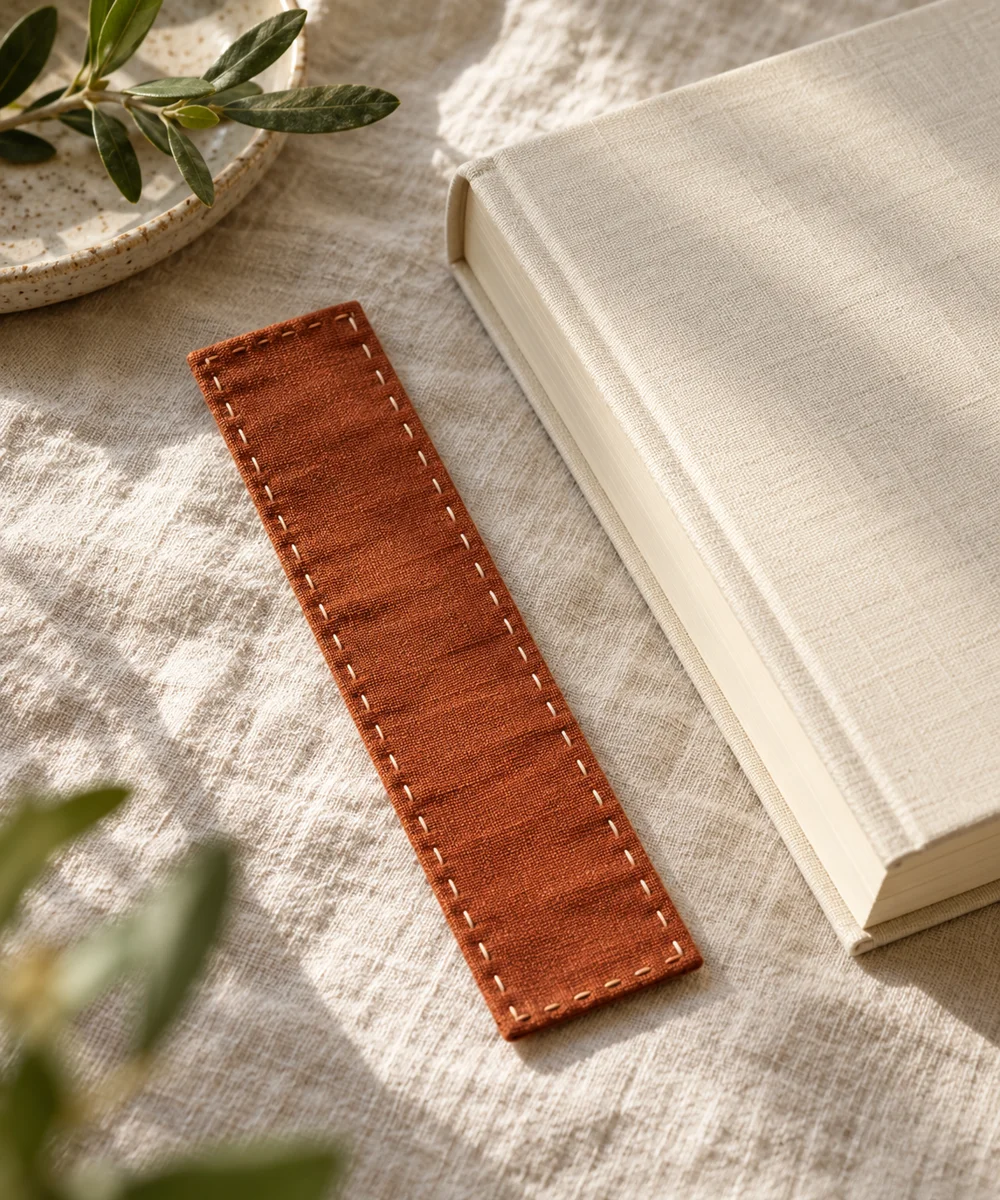
A soft place to pause
Make a little time ↗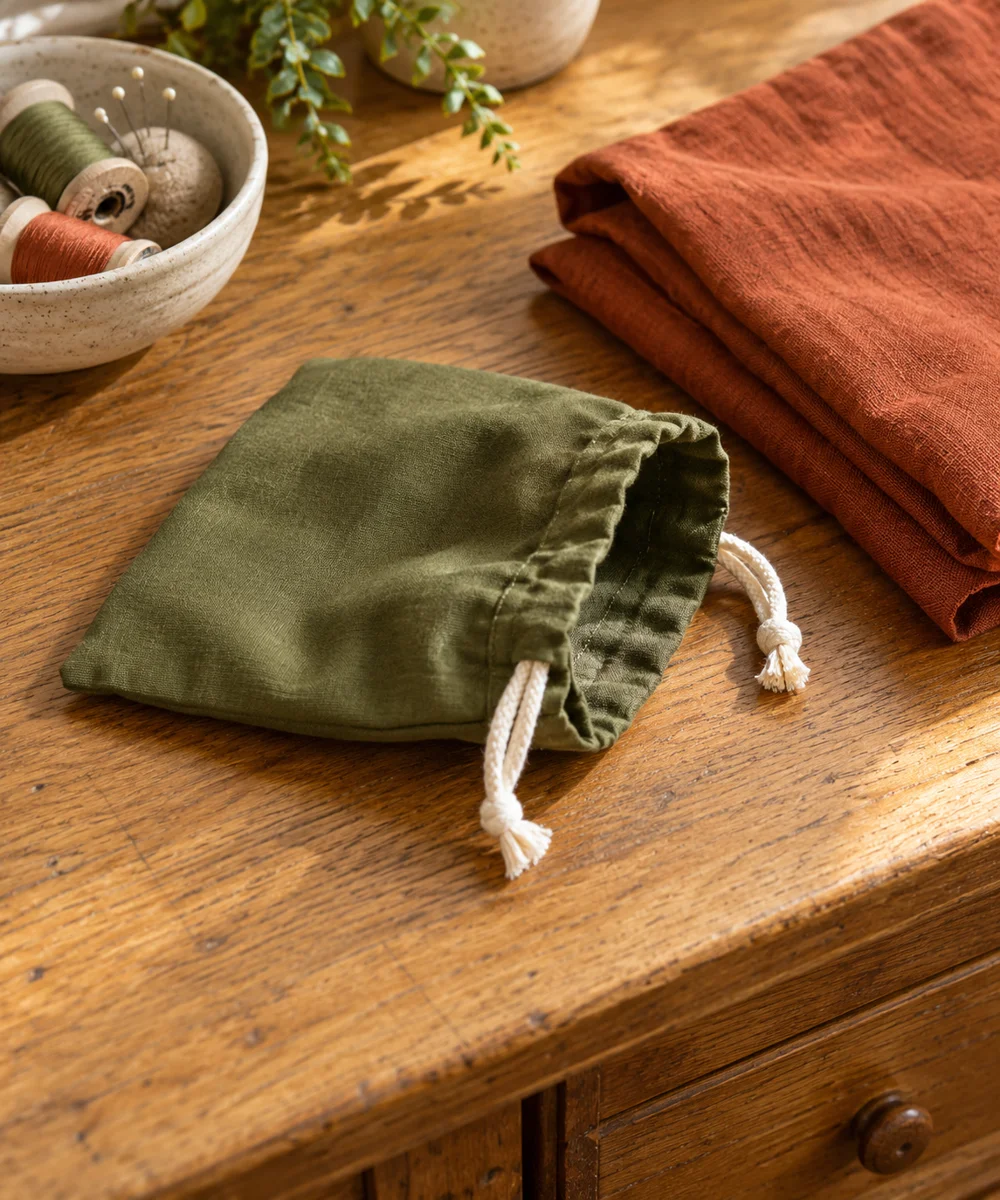 02 / A SMALL PROJECT
Fabric accessories
A little pouch for everyday bits
Make a little time ↗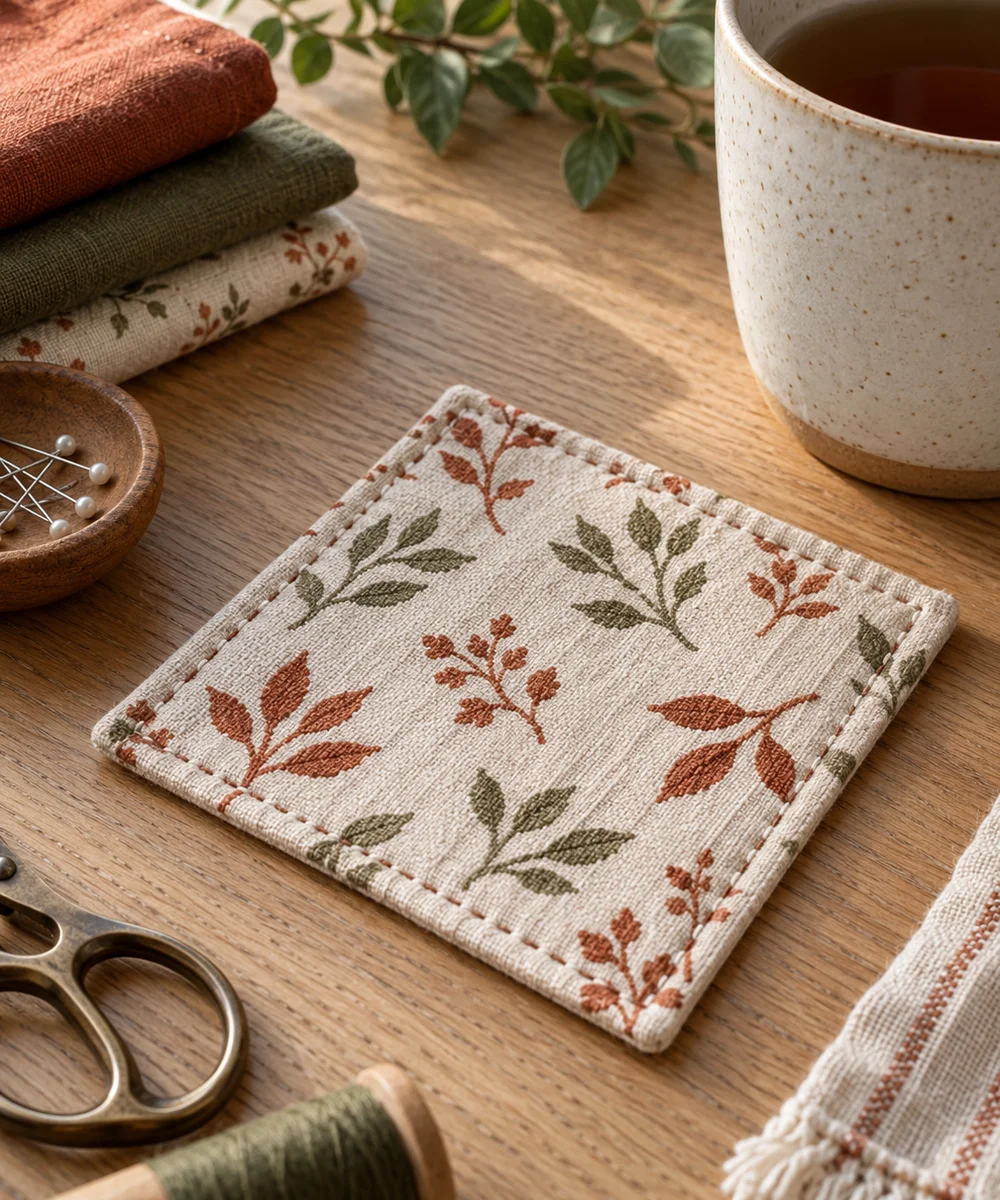 03 / A SMALL PROJECT
Fabric accessories